

Xenophobia: Falana Urges FG to Sanction South African Companies, Calls for MTN Boycott Over Attacks on Nigerians
By Telescope News | Credit: Adapted from Punch
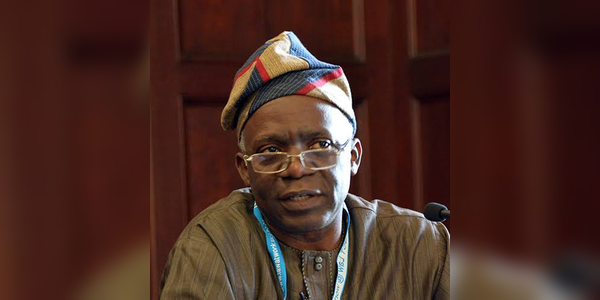
Human rights lawyer and Senior Advocate of Nigeria (SAN), Femi Falana, has called on the Federal Government to adopt tougher economic measures against South African companies operating in Nigeria, saying diplomatic protests alone are insufficient to stop the recurring xenophobic attacks on Nigerians in South Africa.
Speaking with journalists in Ilawe-Ekiti, Ekiti State, after a reception held in honour of the late Alawe of Ilawe-Ekiti, Oba Adebanji Alabi, Falana argued that Nigeria should invoke the principle of reciprocity in international relations by imposing sanctions on South African businesses where viable alternatives exist.
Falana Calls for Sanctions on South African Companies in Nigeria
According to the senior lawyer, the Federal Government should go beyond lodging complaints with the African Union (AU), warning that such diplomatic efforts may only result in resolutions without meaningful enforcement.
“The Federal Government will have to employ diplomatic action, but beyond that, it should also adopt economic measures against South African companies operating in Nigeria,” Falana said.
He maintained that if Nigerians continue to face attacks, harassment and destruction of their businesses in South Africa, Nigeria has a responsibility to respond with measures capable of influencing Pretoria’s actions.
Falana Suggests Nigerians Consider Alternatives to MTN
Falana specifically urged Nigerians to patronise alternative telecommunications providers where available, saying economic pressure could send a stronger message to South Africa.
He stated that where alternatives exist, Nigerians should be encouraged to migrate from MTN, arguing that such actions would demonstrate Nigeria’s resolve in protecting its citizens abroad.
According to him, economic sanctions often produce stronger outcomes than diplomatic protests alone.
Recalls Nigeria’s Stand Against Apartheid
Drawing a historical comparison, Falana recalled Nigeria’s role during the anti-apartheid struggle in the 1970s.
He noted that Nigeria nationalised British Petroleum during that period in protest against apartheid policies, adding that similar measures against South African investments could be considered if circumstances warrant.
Falana Urges Access to African Court on Human and Peoples’ Rights
The senior advocate also criticised Nigeria’s failure to grant its citizens direct access to the African Court on Human and Peoples’ Rights in Arusha, Tanzania.
According to him, the Federal Government has yet to deposit the legal instruments required for Nigerians to institute cases directly before the continental court.
Falana argued that if victims of xenophobic attacks had access to the African Court, South Africa could have been held accountable through legal proceedings for alleged human rights violations.
He urged the Nigerian government to immediately enable citizens to seek justice before the African Court, just as individuals can currently approach the ECOWAS Court of Justice in Abuja.
Renewed Calls for Stronger Protection of Nigerians Abroad
Falana’s comments come amid renewed concerns over recurring xenophobic attacks against Nigerians and other African nationals living in South Africa.
He insisted that stronger diplomatic, economic and legal responses are necessary to protect Nigerians, safeguard their investments and ensure accountability for attacks targeting foreign nationals.
This report was adapted from an interview originally published by Punch.
About Author