

Terror Groups Disperse After US Airstrikes, Security Agencies Monitor Movement
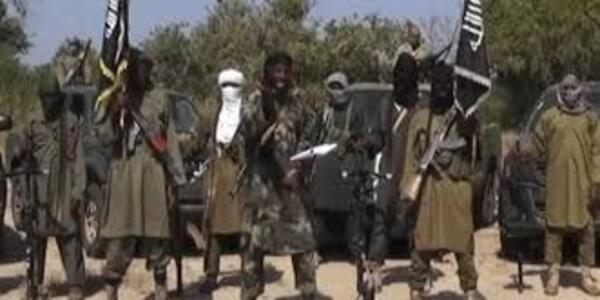
There are growing indications that terrorist groups operating in parts of northern Nigeria have begun relocating following recent United States airstrikes carried out against suspected Islamic State enclaves.
Community leaders and security sources across several states say movements of armed groups have been observed in the days after the strikes, with fighters reportedly dispersing in smaller units and abandoning known hideouts. The airstrikes, conducted on Christmas Day, were confirmed by both the United States and the Federal Government of Nigeria as coordinated counterterrorism operations targeting terrorist infrastructure.
Residents in parts of Sokoto State, particularly Tangaza, Gudu and Illela local government areas, reported unusual movements shortly after the strikes. Community leaders said the attacks disrupted established routes and camps, forcing armed groups to retreat into remote forest corridors or attempt to cross into neighbouring border communities to evade surveillance.
While no fatalities were officially recorded at the immediate impact sites, missile debris reportedly landed on farmland in Jabo, Tambuwal Local Government Area of Sokoto State, and affected buildings in Offa, Kwara State. Several residents sustained injuries, and properties worth millions of naira were damaged, especially in Offa.
Local officials in Sokoto State disclosed that additional strikes targeted suspected hideouts of the Lakurawa armed group within the Sokoto axis. Security agencies have since intensified patrols and surveillance to prevent fleeing terrorists from infiltrating safer communities.
Concerns Over Spillover Into Other States
In Benue State, traditional authorities have raised concerns about a possible influx of armed herders fleeing the strike zones. The Chairman of the Traditional Council in Gwer West Local Government Area said armed groups had been sighted moving into parts of Gwer West and neighbouring Agatu areas, allegedly arriving with sophisticated weapons and grazing openly.
He welcomed the airstrikes but urged that similar operations be extended to other flashpoint states, including Benue, Kogi, Taraba, Niger and Plateau, to prevent displacement-driven insecurity.
Security officials in Sokoto confirmed that intelligence assessments are ongoing to determine the scale and direction of terrorist movement. Border patrols and joint operations involving federal forces are being strengthened to block escape routes and monitor vulnerable areas.
Experts Warn of New Tactics
Security analysts have warned that dislodged terrorist groups may attempt to blend into civilian populations or seek support from allied extremist networks across borders. Analysts say propaganda, recruitment and digital misinformation could increase as armed groups seek to reassert influence after the strikes.
Experts also caution that while the airstrikes may disrupt planning and logistics, they do not automatically end terrorism. Instead, the immediate effect is likely to be confusion, displacement and tactical recalibration by armed groups.
Renewed Surveillance Operations
Meanwhile, indications have emerged that the United States has resumed aerial surveillance operations over the Sambisa Forest in Borno State. Security analysts say the renewed intelligence activity suggests continued monitoring of terrorist movements following the Sokoto strikes.
Government sources say Nigeria and its international partners remain focused on degrading terrorist networks, preventing regrouping, and blocking cross-state movement of armed groups. Security agencies have urged residents to remain vigilant and report suspicious activity as operations continue.
The situation remains fluid, with authorities racing to prevent displaced terrorists from exploiting new territories while consolidating gains from the recent strikes.
About Author