

Petrol to Sell at N739 per Litre in Lagos From Tuesday, Dangote Announces
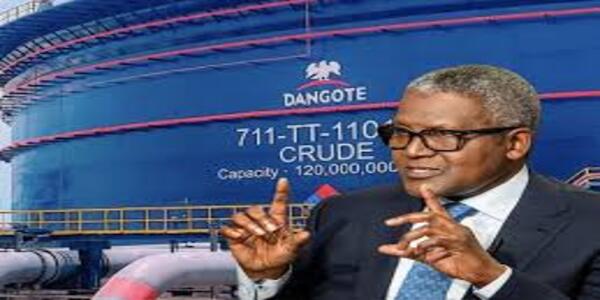
Findings by The Telescope show that filling stations purchasing Premium Motor Spirit from the Dangote Petroleum Refinery will begin selling petrol at N739 per litre in Lagos from Tuesday.
Chairman of Dangote Petroleum Refinery, Aliko Dangote, disclosed this on Sunday during a press briefing at the refinery, where he confirmed that the new pump price follows a recent reduction in the ex-depot price of petrol from N828 to N699 per litre.
Dangote explained that the price adjustment, which took effect on December 11, represents the twentieth petrol price revision implemented by the refinery this year as part of ongoing efforts to stabilise domestic fuel supply and pricing.
According to him, MRS filling stations will be the first to implement the new pump price, while independent marketers are also being encouraged to patronise the refinery under the same ex-depot pricing structure.
He stated that any marketer capable of lifting at least ten trucks of petrol would be supplied at the N699 per litre rate, adding that the refinery is prepared to deploy its resources to ensure fuel affordability during the festive season.
Dangote expressed confidence that, within a short period, petrol prices nationwide would not exceed N740 per litre through December and January, noting that price stability during the yuletide was a priority for the company.
He also warned against attempts to sabotage efforts to stabilise fuel prices, insisting that the refinery would resist any actions aimed at undermining local refining.
During the briefing, Dangote criticised the Nigerian Midstream and Downstream Petroleum Regulatory Authority for what he described as the reckless issuance of licenses, particularly approvals for large volumes of fuel importation. He maintained that despite such licenses, the refinery remains capable of meeting domestic demand.
He revealed that the refinery sources a significant portion of its crude oil from the United States, purchasing no fewer than 100 million barrels annually. According to him, supply volumes could rise above 200 million barrels per year when the refinery doubles capacity. He added that the company also exports aviation fuel and gasoline to international markets, including the United States.
On ownership structure, Dangote disclosed that plans are underway to list the refinery on the stock exchange, allowing Nigerians to own shares in the company without any ownership cap. He said the objective is to create a lasting legacy rather than maintain majority control.
He further stated that dividends to diaspora investors would be paid in dollars, reflecting the refinery’s substantial foreign currency earnings and its role as a major supplier of forex to the Nigerian market.
Dangote also disclosed that the Nigerian National Petroleum Company Limited currently supplies between 4.5 and 5 million barrels of crude oil monthly to the refinery, out of Nigeria’s total monthly output of about 19 million barrels.
He noted that President Bola Tinubu had approved the immediate implementation of a 15 percent import duty on refined petroleum products as a protective measure for domestic refining, although the policy was suspended in November. Despite the suspension, Dangote said the refinery still reduced pump prices, absorbing what he described as significant financial losses.
Expressing frustration with some fuel marketers, Dangote accused them of undermining local refining by continuing to import fuel. He described the situation as a battle of endurance and insisted that his company would not back down, despite the scale of financial sacrifice involved.
He also alleged sabotage by certain machine manufacturers and vested interests within the oil and gas sector, describing the level of corruption as severe and hinting at possible legal action.
Economic analysts have described the petrol price reduction as a major intervention with wide-ranging implications for inflation, transportation costs, household spending, and overall economic stability. However, some experts have urged regulators to remain vigilant to ensure that the lower ex-depot price is fairly reflected at the pump and that smaller marketers are not squeezed out of the downstream market.
The Telescope will continue to monitor developments surrounding fuel pricing and downstream regulation across the country
About Author